
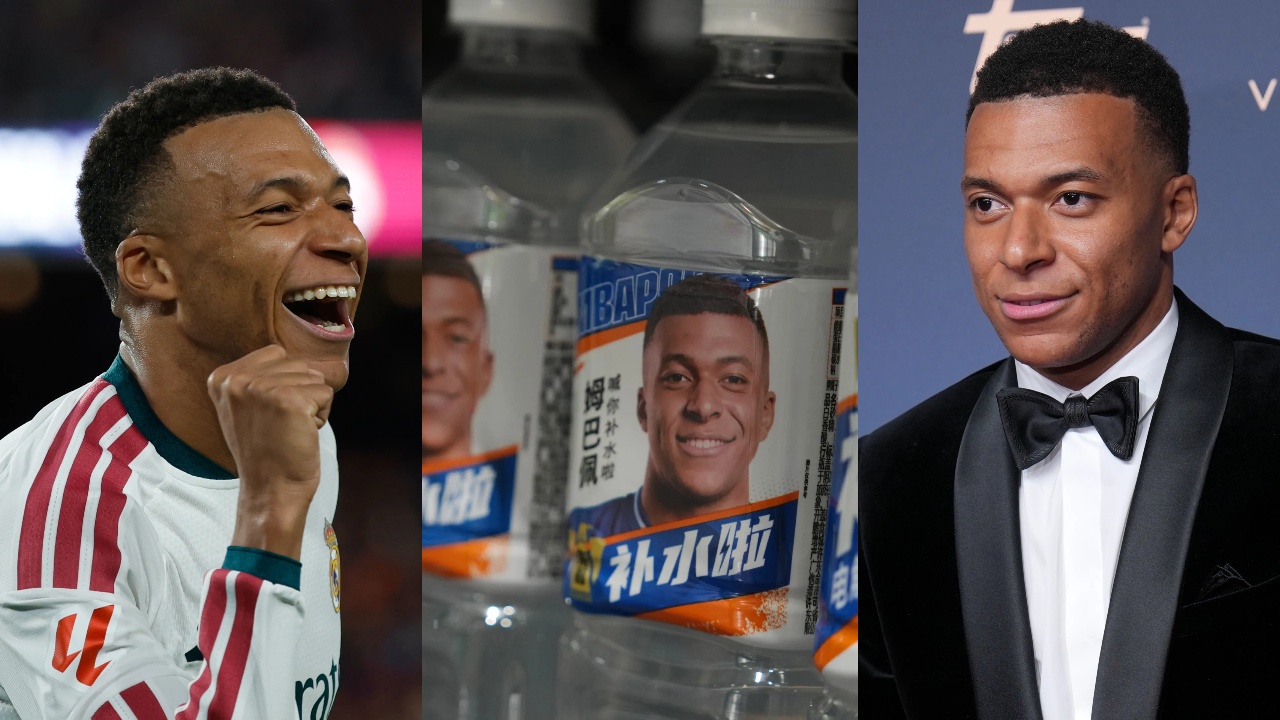
French football star Kylian Mbappe has apologized to Chinese fans after comments about a viral meme depicting him as former Chinese leader Mao Zedong sparked widespread criticism and led three major Chinese companies to end their commercial partnerships with him.
The 27-year-old Real Madrid forward issued an apology on social media on Tuesday, October 27, acknowledging that his remarks had hurt people in China and Chinese communities around the world.
“My comment was ill-judged, and I now understand that it hurt many people in China and in Chinese communities around the world,” Mbappe said in his statement.
He added that he had no intention of causing offence and expressed deep respect for the Chinese people and their history.
Three Chinese Companies End Partnerships With Mbappe
The controversy has affected Mbappe’s commercial relationships in China, where the French international has featured in advertising campaigns for several major brands.
Dongpeng Beverage, dairy producer Mengniu and cheese manufacturer Milkground announced that they were ending their cooperation with the football star.
The companies said they opposed words or actions that hurt the feelings of the Chinese people. Although their announcements did not provide detailed explanations, they came amid growing criticism of Mbappe’s comments on Chinese social media.
Mbappe had previously appeared in advertisements promoting Dongpeng’s drinks and Mengniu’s dairy products. One Mengniu campaign also featured Argentine football star Lionel Messi.
The decisions have attracted widespread attention on Weibo, China’s popular social media platform, where related hashtags and calls for a boycott gained traction.
What Did Mbappe Say About the Mao Zedong Meme?
The backlash followed the circulation of a video in which Mbappe was asked about his favourite internet meme featuring himself.
In the clip, he appeared to describe a meme showing his face digitally placed on the body of a Chinese leader, whom he referred to as a dictator. The image appeared to depict Mao Zedong.
The video quickly spread online and triggered criticism among Chinese fans and media outlets. However, Reuters reported that it had not independently authenticated the footage.
The incident highlights how comments made during an interview can have wider consequences for international celebrities, particularly when they involve culturally and politically sensitive subjects.
Why Are Comments About Mao Zedong Sensitive in China?
Mao Zedong was the founding leader of the People’s Republic of China, established in 1949, and remained the country’s dominant political figure until his death in 1976.
His legacy remains complex. While Mao is regarded by some as a significant figure in modern Chinese history, his rule is also associated with policies that caused widespread suffering.
The Great Leap Forward, launched in the late 1950s to accelerate industrial and agricultural development, contributed to a devastating famine in which tens of millions of people died, according to many historical estimates.
Because of Mao’s central place in Chinese history and national identity, jokes or satirical references involving him can provoke strong reactions.
Chinese Foreign Ministry spokesperson Guo Jiakun said that words and actions that hurt the feelings of the Chinese people would face opposition from across Chinese society.
Apology Comes Amid Growing Backlash
Mbappe’s apology came after the controversy began affecting his sponsorship deals and public image in China.
The episode also prompted criticism from Chinese media and social media users, some of whom called for further action against the football star’s commercial activities in the country.
For Mbappe, who has built a global profile both on and off the pitch, the dispute highlights the risks international athletes can face when their public comments are interpreted as disrespectful in important markets.
Whether his apology will help repair his relationships with Chinese fans and business partners remains to be seen.